
From the Blog
Writings on Well-Being Dr. Rick Hanson

Love the World
Humanity has great power for good and ill. As the earth heats up, as species go extinct and resources decline, it is critically important that a fourth major motivation guide our thoughts, words, and above all, deeds: Love the world.
Get these articles delivered directly to your inbox every week.
"*" indicates required fields
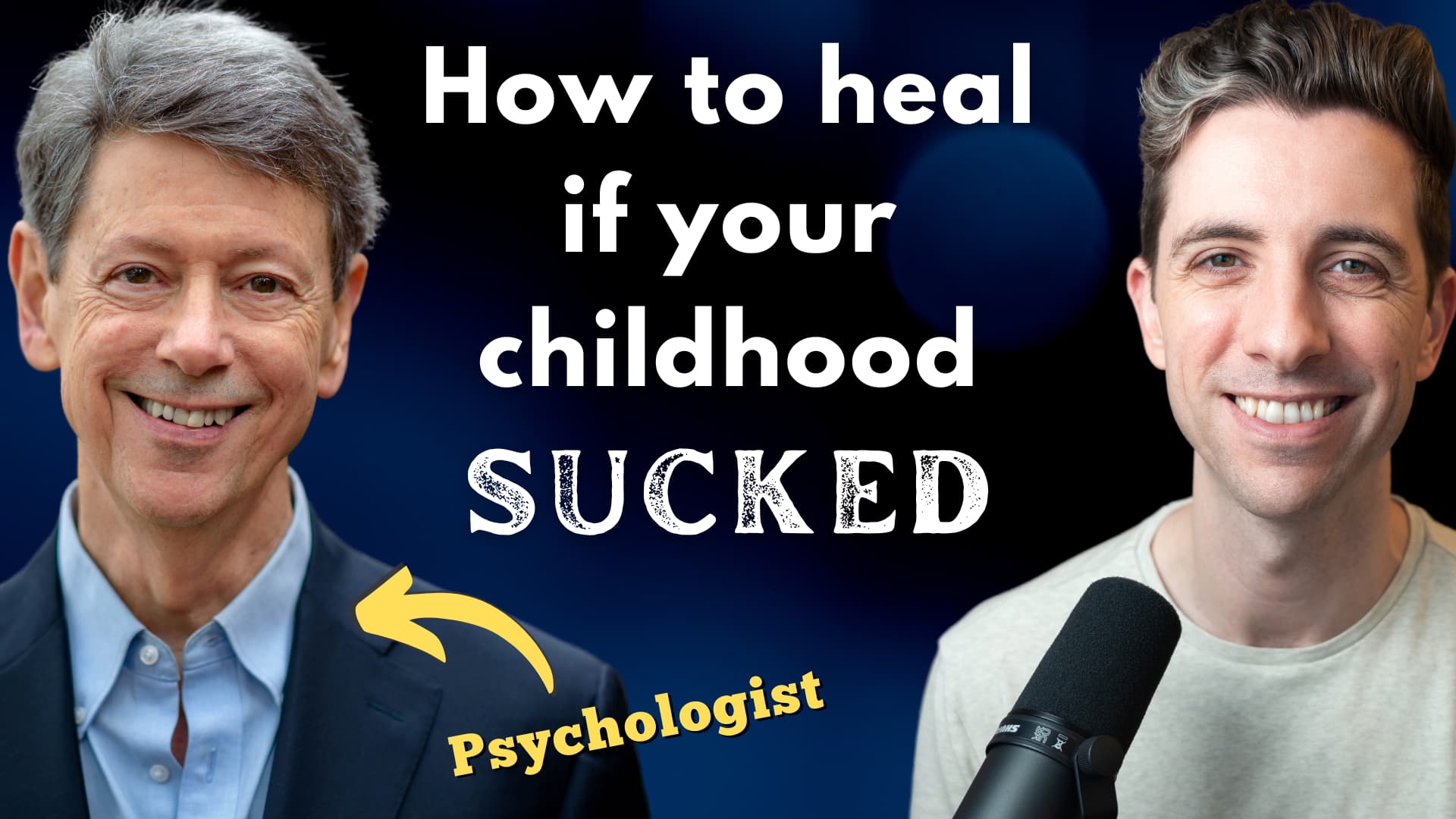
Being Well Podcast: Recovering from a Challenging Childhood
Recovering from a challenging childhood as an adult can be a difficult process, which is what we explore on this episode.
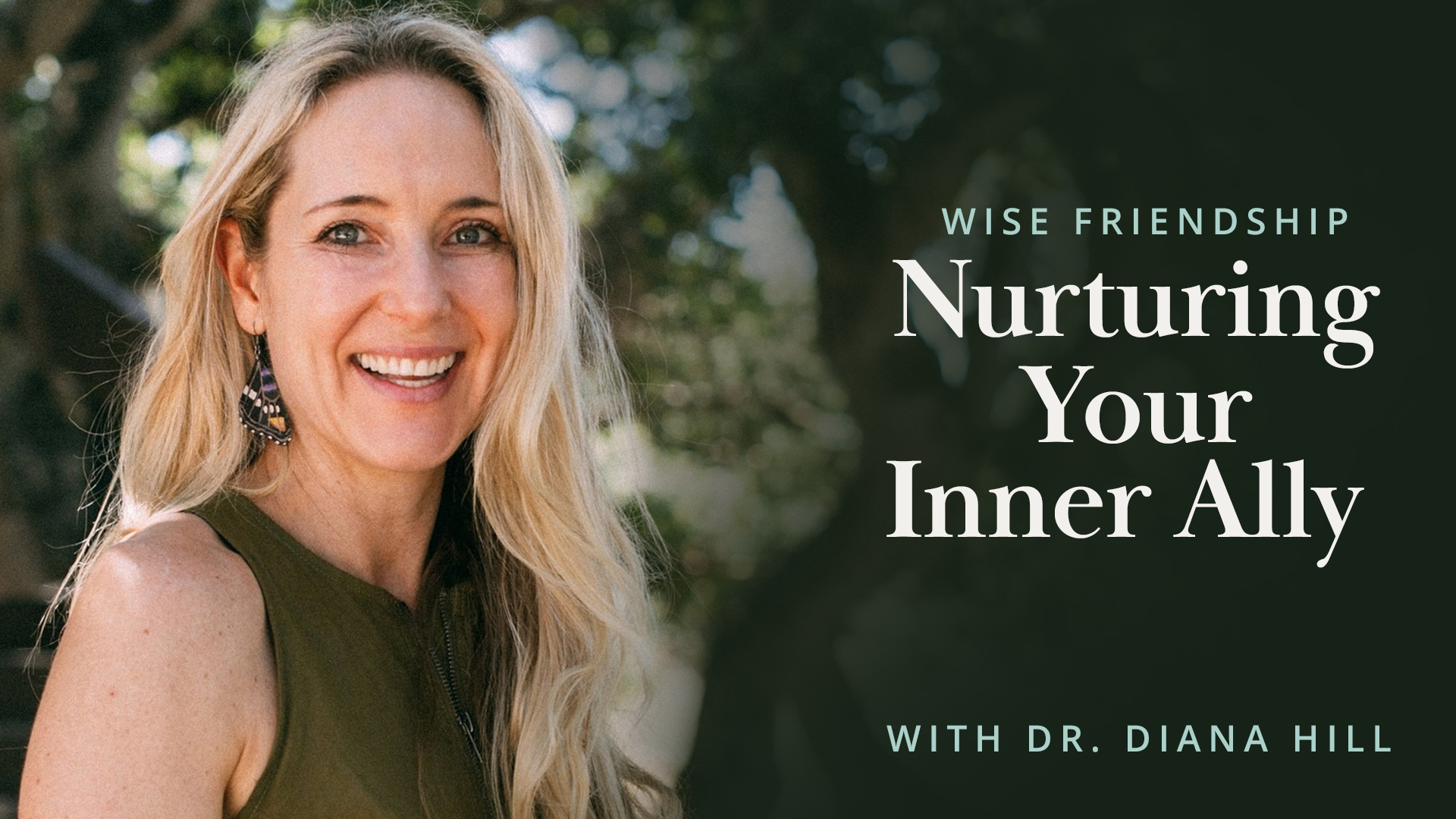
Meditation + Talk: Wise Friendship: Nurturing Your Inner Ally with Dr. Diana Hill
What does it mean to be a wise friend to yourself? Dr. Diana Hill draws from Acceptance and Commitment Therapy, the kalyana mitta sutta, and personal experience to explore three qualities of wise friendship.
Grow a Key Inner Strength
What’s your “Vitamin C?” “Vitamin C” is. Daily life is full of opportunities to notice or create experiences of inner strength, a psychological resource. Take it into yourself, making it a part of you.
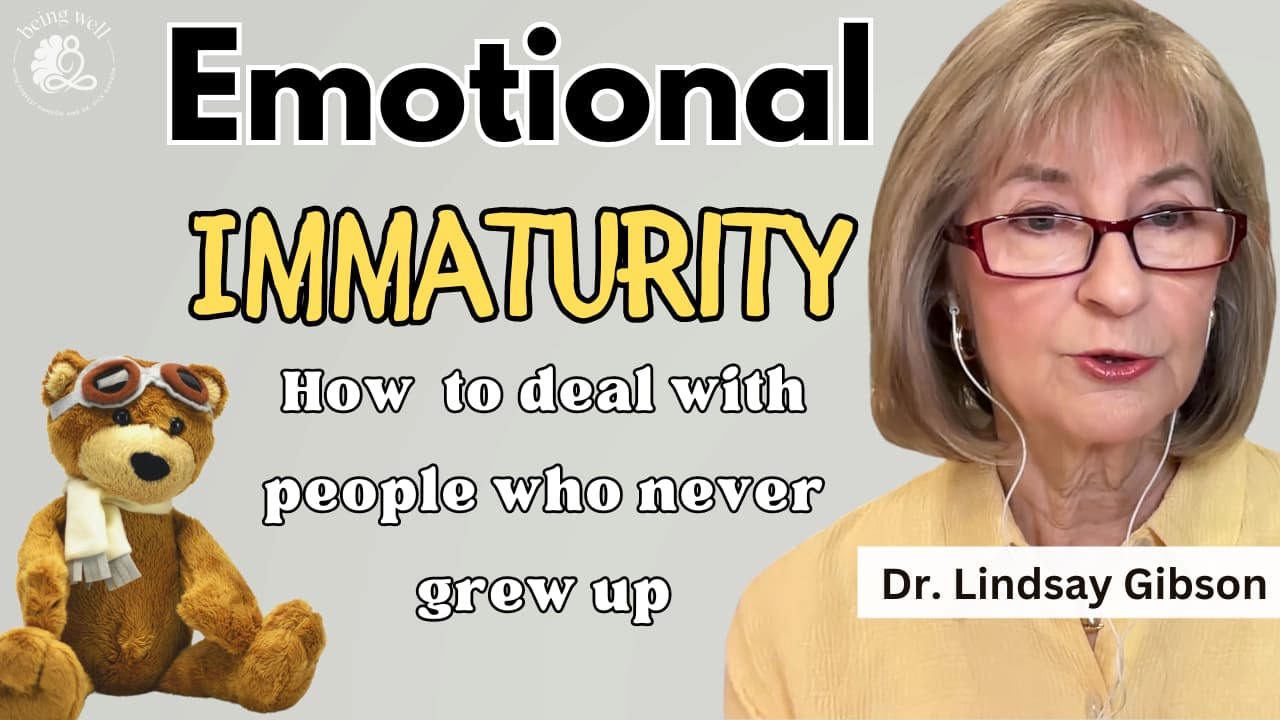
Being Well Podcast: Dealing with Emotionally Immature People (and Parents) with Dr. Lindsay Gibson
Dr. Lindsay Gibson discusses practical tools for recognizing emotionally immature people, managing your relationships with them effectively, and establishing healthy boundaries.
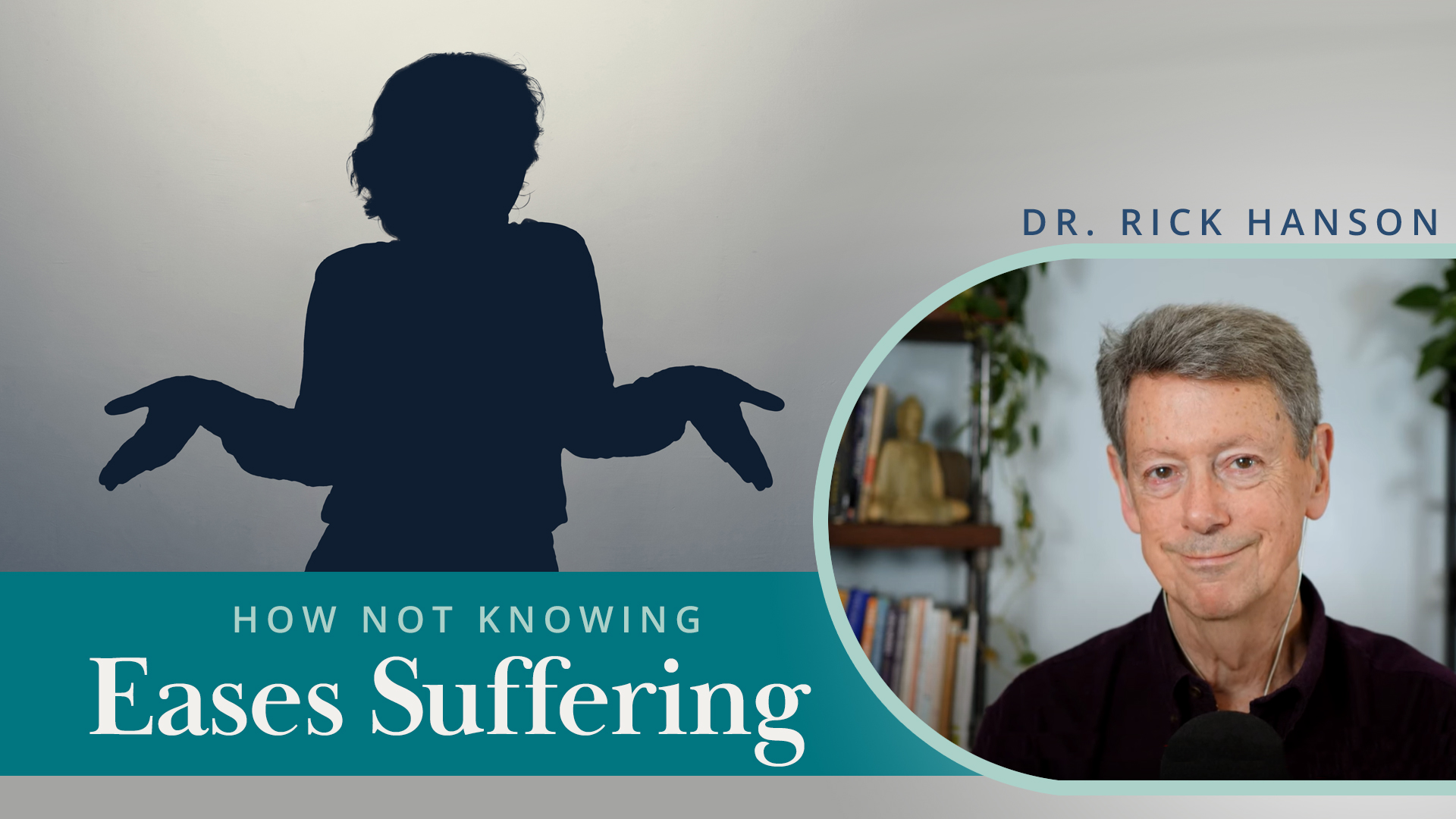
Meditation + Talk: How “Not Knowing” Dissolves Suffering
In this talk and meditation, I share how embracing “not knowing” can help dissolve suffering and release us from the shackles of our mind.

Take Heart
What do you do when the bottom falls out? Take heart. By “taking heart,” I mean several related things: Sensing your heart and chest, finding encouragement in what is good both around you and inside you, resting in your own warmth, compassion, and

Being Well Podcast: How to Make the Most of Your 20s with Dr. Meg Jay
Dr. Meg Jay, a specialist on what she calls the “defining decade,” joins Forrest to explore how we can make the most of our 20s.
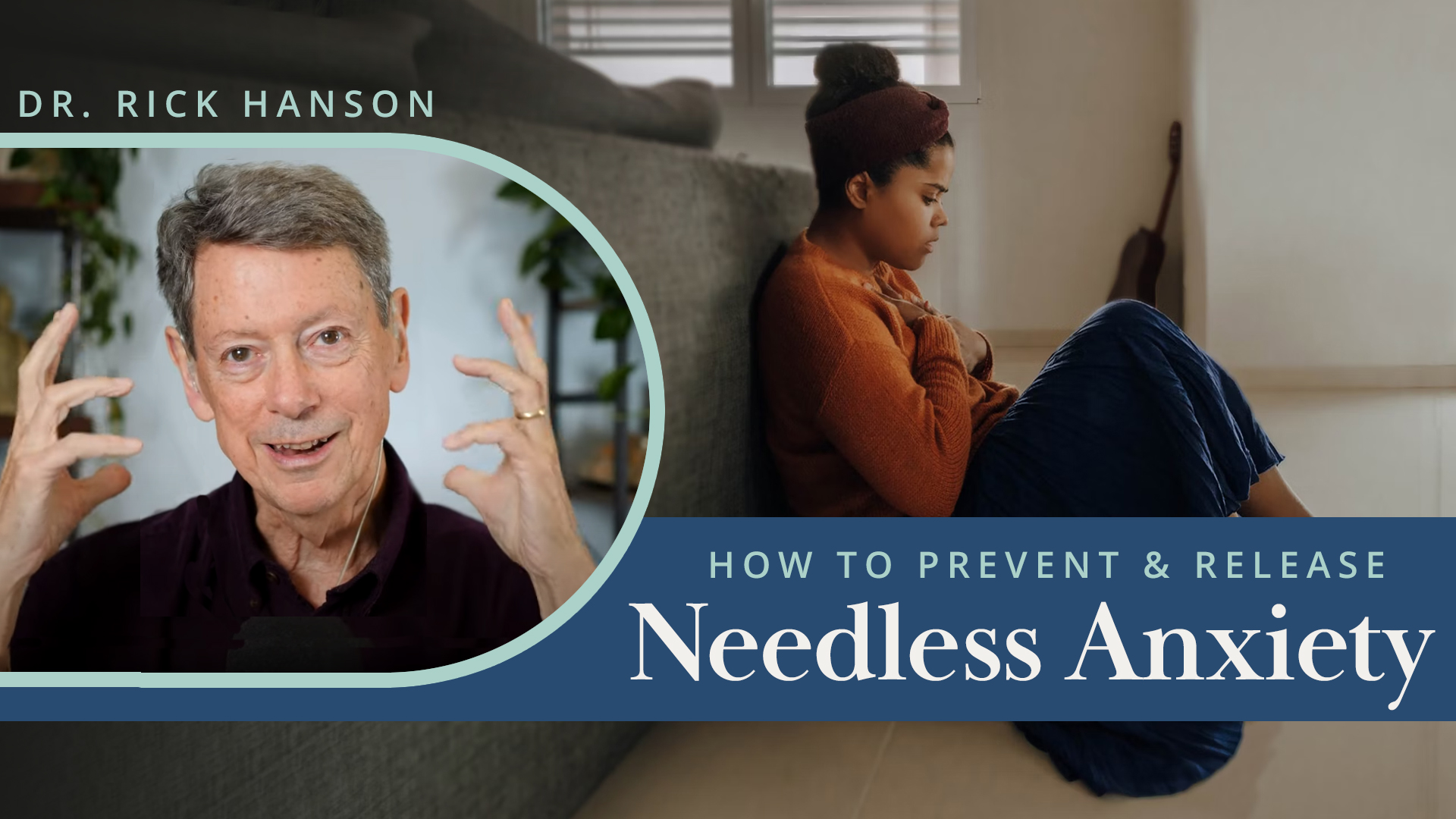
Meditation + Talk: How to Prevent and Release Needless Anxiety
Anxiety is a normal human experience, but excessive or chronic anxiety can wear us down and be detrimental to our long-term happiness and health.

Back to Basics
By taking care of the basics, everything else usually takes care of itself.
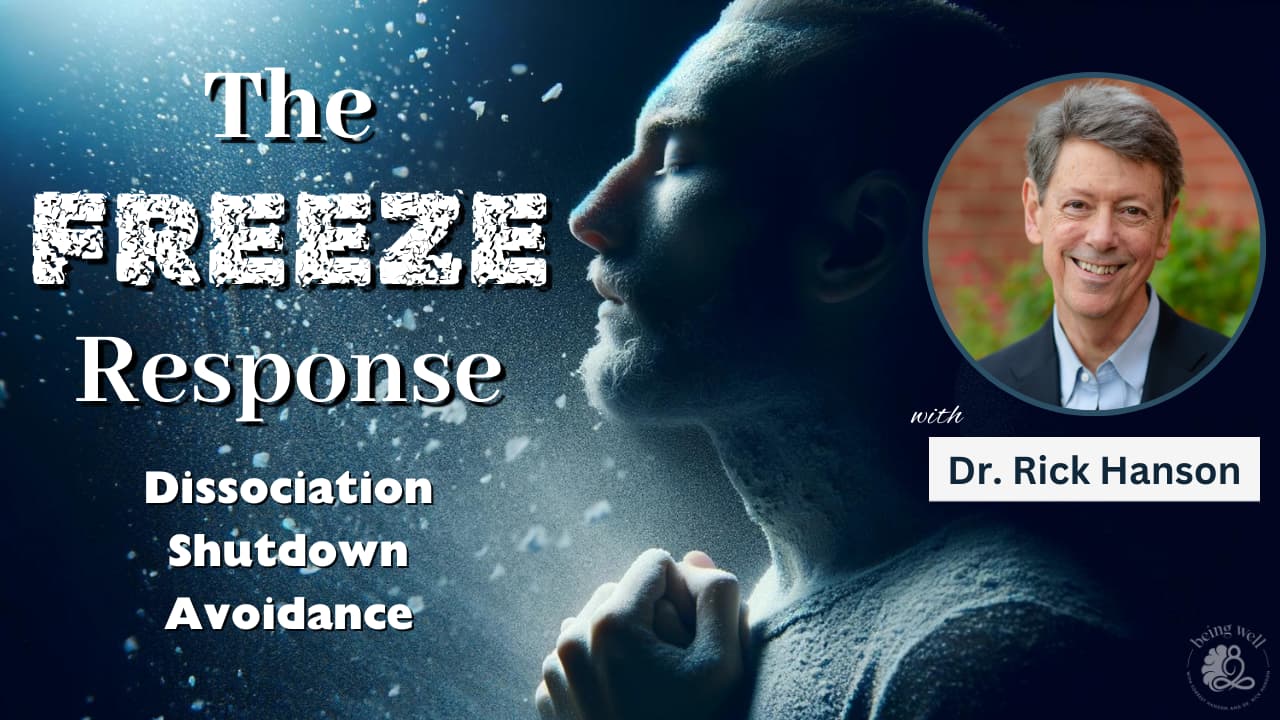
Being Well Podcast: Managing the Freeze Response: Dissociation, Emotional Shutdown, and Creating Safety
In one of our favorite episodes to date, Dr. Rick and Forrest explore managing the freeze response in detail.

Meditation + Talk: The Deep Peace in Approaching Your Life as an Offering
When we approach life as an offering, we let go of the constant striving and struggling and we open to a deeper sense of peace, acceptance, and reverence for the gift of existence itself.

Don’t Rain On The Parade
Are you too quick with doubt, limitations, cost analyses, reasons why not? If you pour cold water over your hopes and dreams, you’ll never know the warmth and light that might spread if you’d let them catch fire.
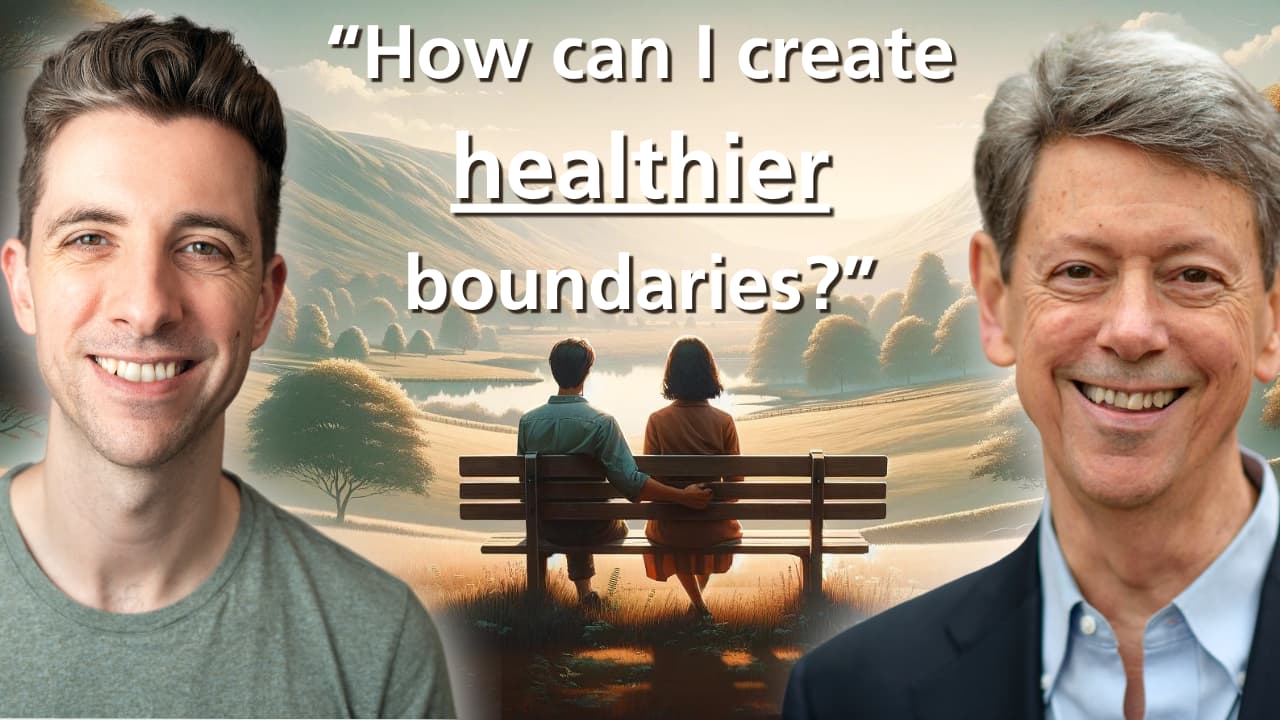
Being Well Podcast: Working with Irrational Fears, Setting Healthy Boundaries, and Understanding Therapy: March Mailbag
Forrest and Dr. Rick open up the mailbag and answer questions about working with irrational fears, creating separation from our thoughts and feelings, and setting healthy boundaries in dysfunctional families.

Meditation + Talk: Finding Contentment – Wherever You Are
In this weekly live meditation and talk from Dr. Rick Hanson, he focused on Finding Contentment – Wherever You Are.

Give Them What They Want
It’s easy to give someone what they want. It is a matter of what you want to give. It can be stressful when others want things from you. There’s a sweet spot from which you can respond with both compassion and ease.
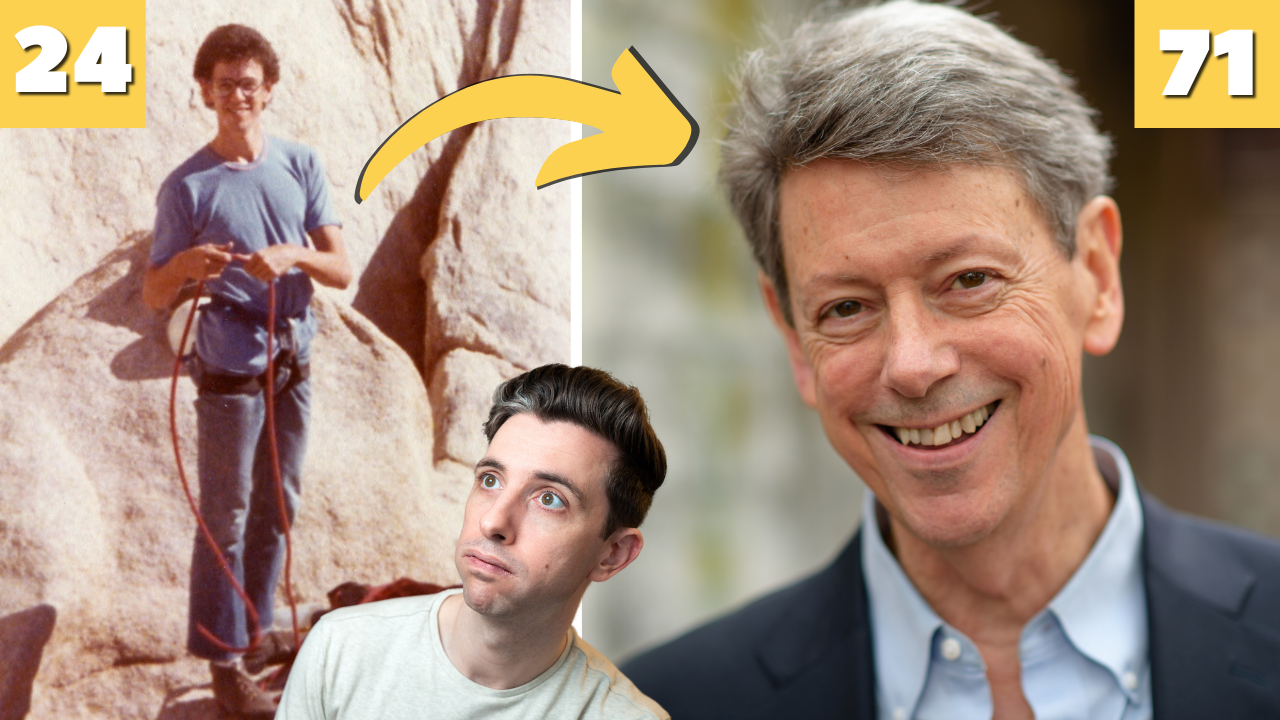
Being Well Podcast: Things We Wish We Knew in Our 20s
On today’s episode of the Being Well Podcast, Dr. Rick and Forrest share (roughly) 10 things they wish they’d known in their 20s.
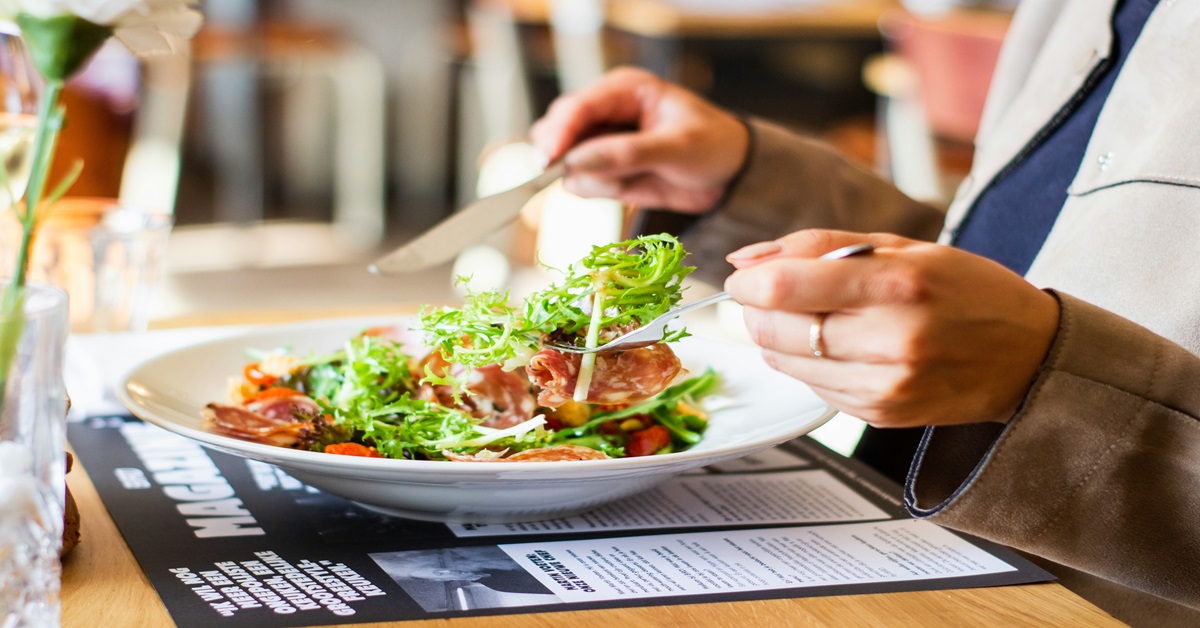
Meditation + Talk: Eat the Meal, Not the Menu
In this weekly live meditation and talk from Dr. Rick Hanson, he focused on Eat the Meal, Not the Menu.

Accept Them as They Are
In what ways do you wish that people were different? See what it feels like to stop resisting what another person is like while also taking care of your own needs in the relationship. Acceptance is a gift that gives back.
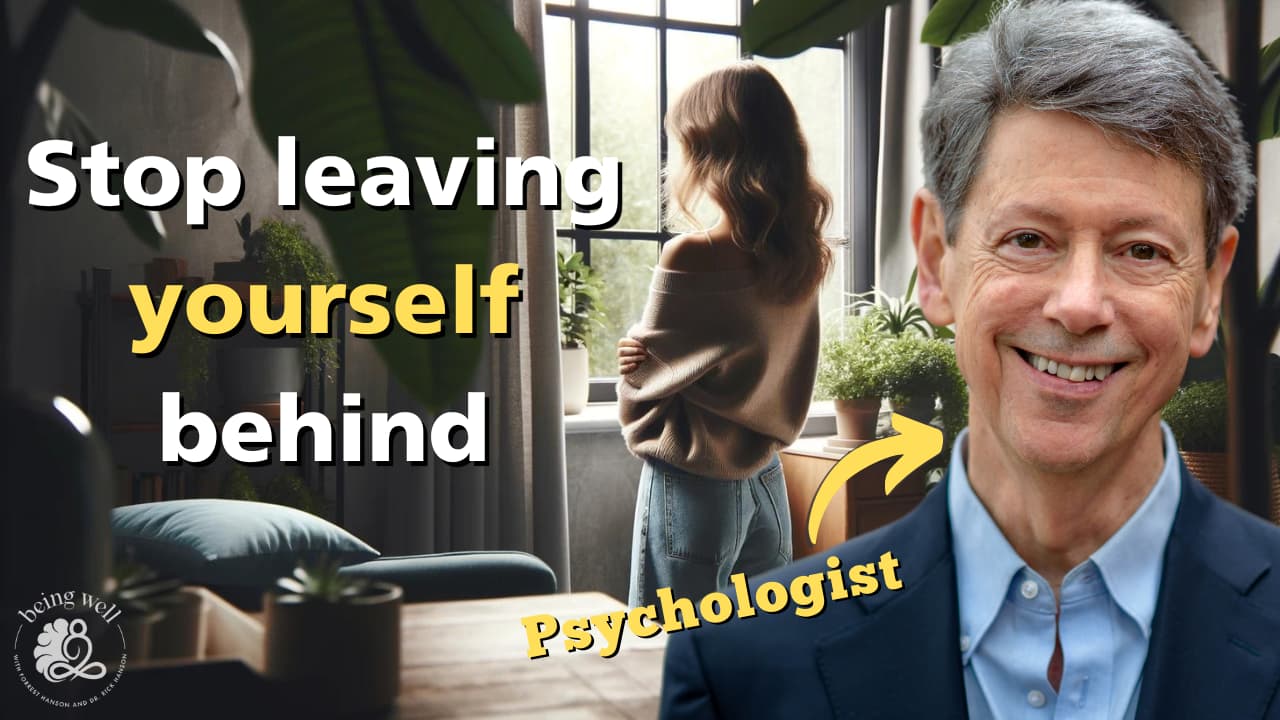
Being Well Podcast: Healing Self-Abandonment: Anxious Attachment, Healthy Boundaries, and Creating Strong Relationships
On today’s episode, Dr. Rick and Forrest explore self-abandonment, including anxious attachment, healthy boundaries, and creating strong relationships.

Meditation + Talk: The Power of Wishing Others Well
In this weekly live meditation and talk from Dr. Rick Hanson, he focused on The Power of Wishing Others Well.

Drop The Case
Enjoy the good feelings and other rewards of dropping your case. Set down the case, like plopping down a heavy suitcase. Enjoy the feelings, the spaciousness of mind, openness of heart, inner freedom, and other rewards of dropping your case.